Cold weather range
How much Tesla winter range loss is normal?
Practical Tesla winter range-loss guide covering cold batteries, cabin heat, tires, wind, speed, preconditioning, daily charging buffer, and when to investigate.
Updated May 2026 · Owner guidance only: verify exact Tesla manual, service, warranty, battery, and software guidance for your vehicle and location.
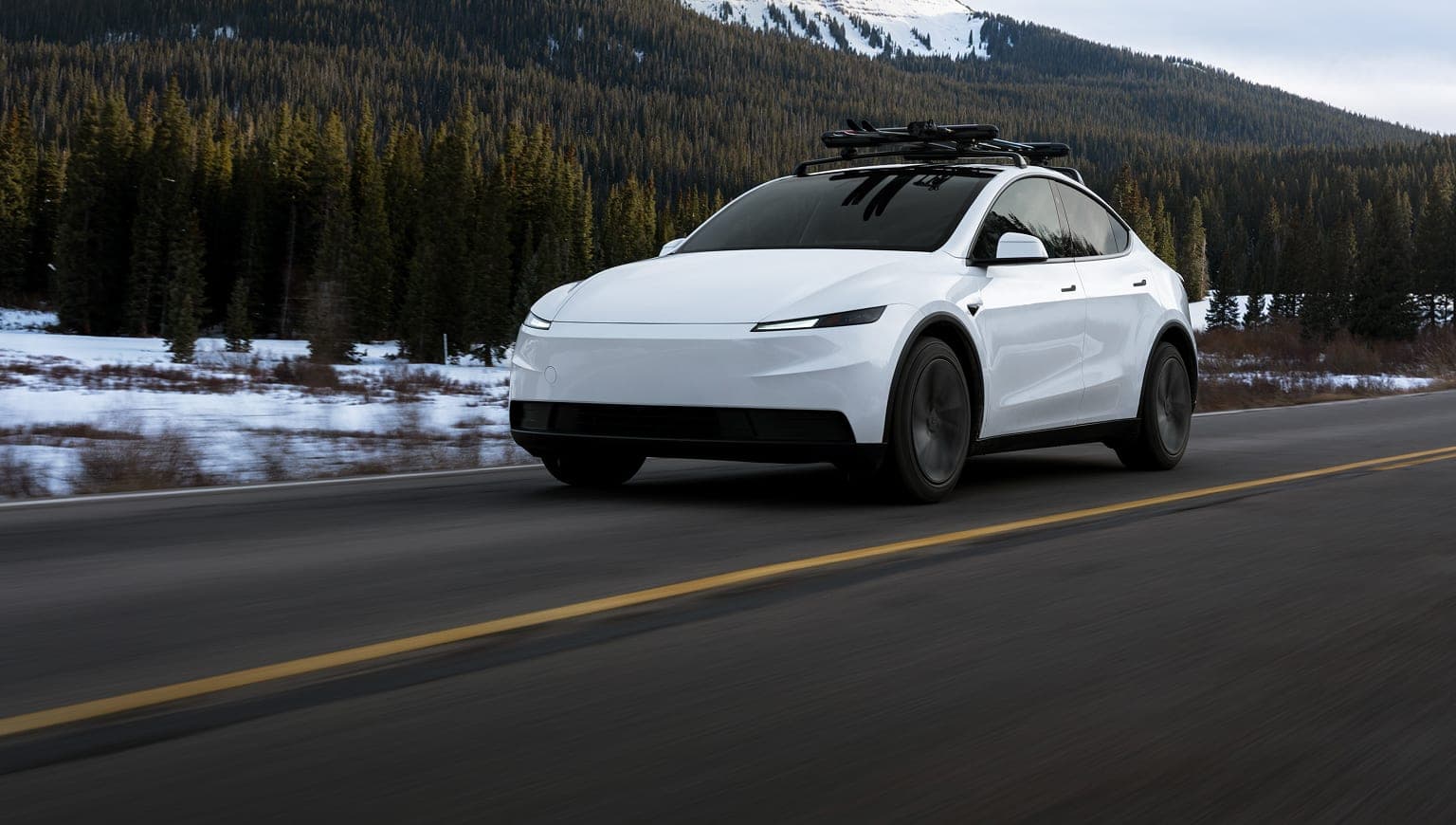
Winter range loss is a system problem: charging buffer, tire pressure, preconditioning, road surface, wind, and speed all stack together.
Short answer
- Cold weather range is a system problem: battery temperature, heat demand, tires, road surface, wind, speed, and charging behavior stack together.
- Preconditioning while plugged in is usually more valuable than buying accessories to solve range anxiety.
- Use real energy consumption and trip margin, not the displayed rated miles alone, to decide whether something is wrong.
Next-step map
How to move from diagnosis to action
1 · Diagnose
Answer the exact problem
Use the short answer, applies-to table, and decision points to decide what is happening without bouncing back to Reddit.
2 · Act
Follow the practical checklist
Use the action plan as a small checklist: what to check, what to document, and what not to do.
3 · Choose
Route to the useful next step
If there is a real next step, use the relevant tool, guide, service-documentation page, or product path — not a random purchase.
Applies to
| Tesla model / owner type | Applies? | Why it matters |
|---|---|---|
| Model Y / Model 3 | Yes | The owner workflow is highly relevant; exact controls, battery, and software wording can vary by year. |
| Model Y Juniper | Yes | Juniper owners should verify current manual wording and refreshed hardware behavior before assuming older Model Y advice. |
| Model S / Model X | Mostly | The same problem pattern applies, but service access points, controls, and trim details can differ. |
| Cybertruck | Sometimes | Use the decision framework, then verify truck-specific manual and service guidance. |
Decision points: do this vs avoid this
Daily driving
Do this: Charge with a winter buffer and precondition before leaving when plugged in.
Avoid this: Using summer range habits on the first freezing week.
Road trips
Do this: Let navigation plan charging and arrive with margin; expect speed, wind, and slush to matter.
Avoid this: Skipping a charger because the rated-mile number looked fine in the driveway.
Comfort
Do this: Use seat/steering heat when comfortable and reduce unnecessary cabin heat blasts.
Avoid this: Freezing yourself for a tiny gain or blasting heat while unplugged before departure.
Problem check
Do this: Compare consumption against temperature, speed, tires, pressure, wind, road surface, and recent software/settings changes.
Avoid this: Declaring battery failure from one cold highway drive.
What owners get wrong
- • Expecting the rated range number to behave like a winter road-trip guarantee.
- • Ignoring tire pressure and winter tires while blaming only the battery.
- • Preheating the cabin while unplugged, then being surprised by lower starting energy.
- • Comparing a cold, windy, wet highway drive to a warm local commute.
Practical action plan
- 1. Before winter, verify tire pressure, washer fluid, wipers, charging access, and the daily charge buffer you need for cold mornings.
- 2. Precondition from the app while plugged in when possible, especially before longer drives or fast charging.
- 3. For road trips, use Tesla navigation, respect charger arrival estimates, and add margin when wind, snow, slush, or mountain driving is involved.
- 4. Track real Wh/mi or energy graph behavior across similar routes instead of reacting to one rated-range drop.
- 5. If range loss is extreme even after accounting for conditions, document the route, temperature, speed, tire pressure, charge state, and energy screen before opening service.
Useful next steps
These links are included only when they solve the owner problem: documentation, charging routine, tire readiness, seasonal preparation, or service decision-making.
Disclosure: Some links in this article are affiliate links. If you buy through them, we may earn a small commission at no extra cost to you. We only recommend products we've researched or tested; see our editorial standards.
Verified facts and sources
Official baseline for preconditioning, cold-weather range behavior, frozen components, and winter ownership habits.
Owner-practical framing from Model Y / Juniper daily use, service documentation, and accessory/fitment testing.
Related problems
Weather, heat, and road-condition hub
Winter range, frozen doors, rain/wipers, heat, slush, and seasonal Tesla owner decisions.
Charging and home setup
Winter range planning starts with a dependable daily charging routine.
Weather problems hub
Until the frozen-door page is published, route cold-weather, frozen-component, rain, heat, and seasonal decisions through the weather hub.
Frequently Asked Questions
Is winter range loss a sign my Tesla battery is bad?
Usually no. Cold batteries, heat use, tires, road surface, wind, and speed can explain a large amount of winter consumption. Investigate when the loss is extreme for the conditions or repeats after controlling obvious factors.
Should I charge higher in winter?
Use a bigger practical buffer, especially before highway trips or very cold mornings, while still following Tesla guidance for your battery chemistry and daily charging habits.
What helps most?
Preconditioning while plugged in, realistic charger margins, correct tire pressure, moderate speed, and a dependable home/work charging routine usually help more than gadgets.