Tire emergency hub
Tesla flat tire, roadside, and tire wear problems
Use this hub when the problem is tire safety, flat-tire mobility, coverage confusion, or what to carry before you are stranded.
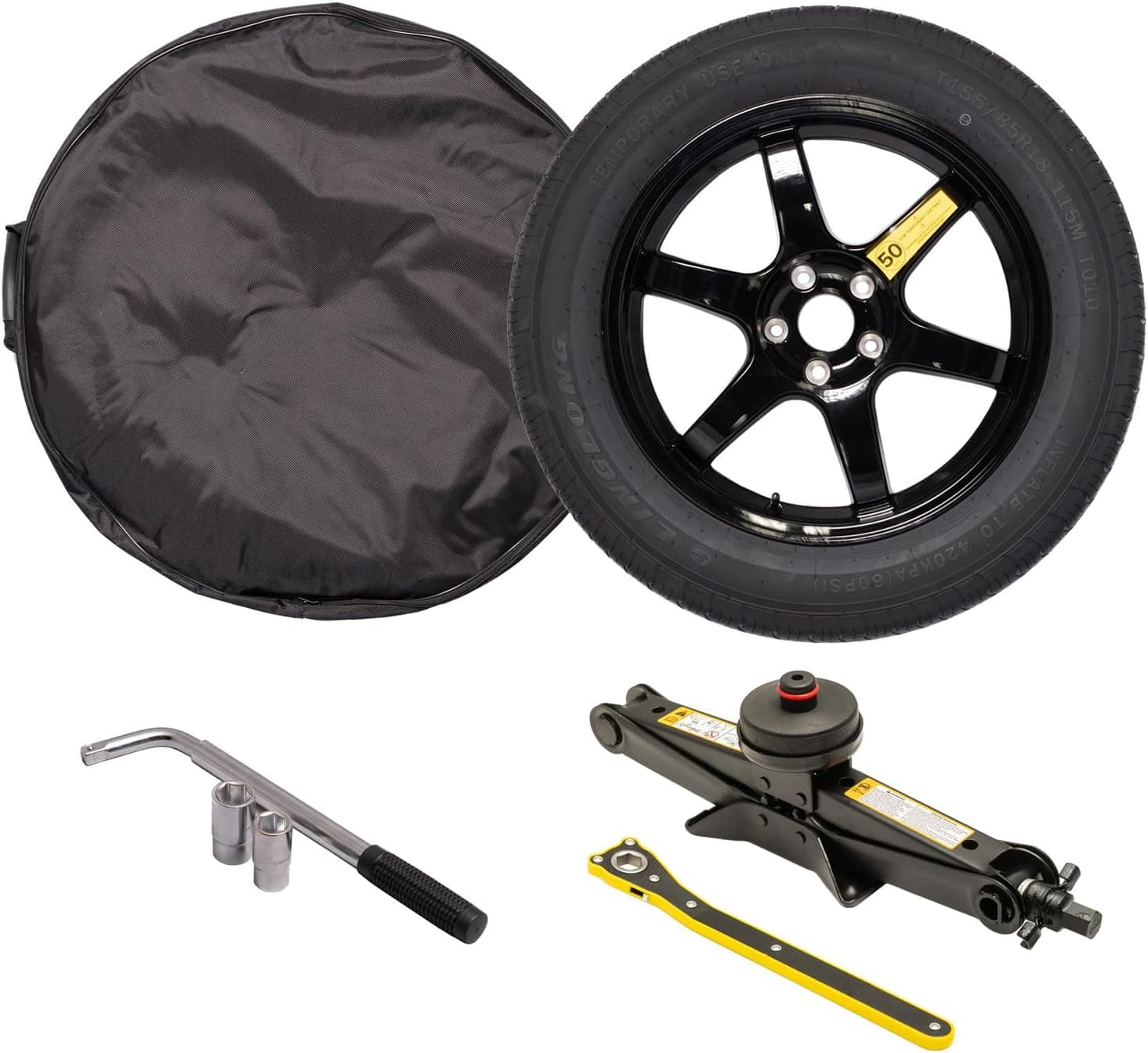
Flat tire planning has three layers.
Who pays, who moves the car, and what you can safely fix yourself are separate decisions.
Short answer
Separate three layers: repair cost, mobility, and self-rescue.
Tesla Wheel & Tire Protection may help with eligible tire or wheel repair/replacement cost. Roadside assistance is the mobility layer. A compressor, plug kit, jack pads, and optional spare are the owner-control layer.
Tesla flat tire insurance: roadside, Tire Protection, repair kits, and spares
Best starting point when you are trying to understand who pays, who to call, and what gear solves the flat-tire problem.
Read guide →Tesla tire wear guide: inner edge, camber, rotation, blowout prevention
Use this before the tire fails: rotation intervals, tread-depth measurement, hidden inner-edge wear, alignment warning signs.
Read guide →Best Tesla tire inflator and repair kit
Compressor, plug kit, sealant cautions, jack pads, and when the tire is no longer repairable roadside.
Read guide →Tesla jack pads and roadside kit
What to carry, what to tell tow drivers and tire shops, and why jack pads matter even if you never lift the car yourself.
Read guide →Best spare tire kit for Tesla Model Y
Compact spare tradeoffs for owners who do road trips or do not want to depend only on roadside assistance.
Read guide →Tesla protection plans: ESA, windshield, wheel & tire
Coverage boundaries: repair/replacement vs mobility, wear exclusions, windshield, ESA, and what owners often misunderstand.
Read guide →Roadside kit visual
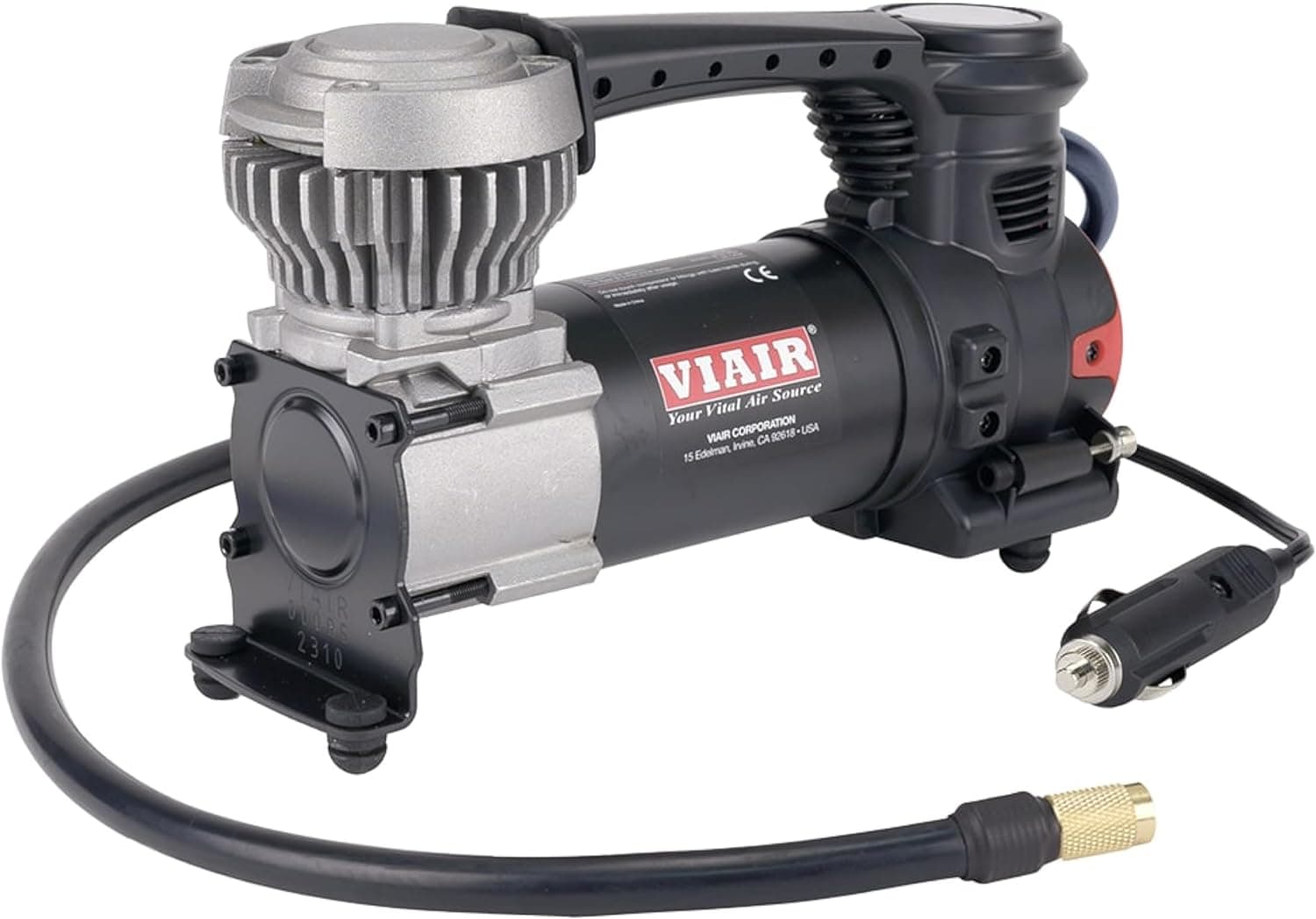
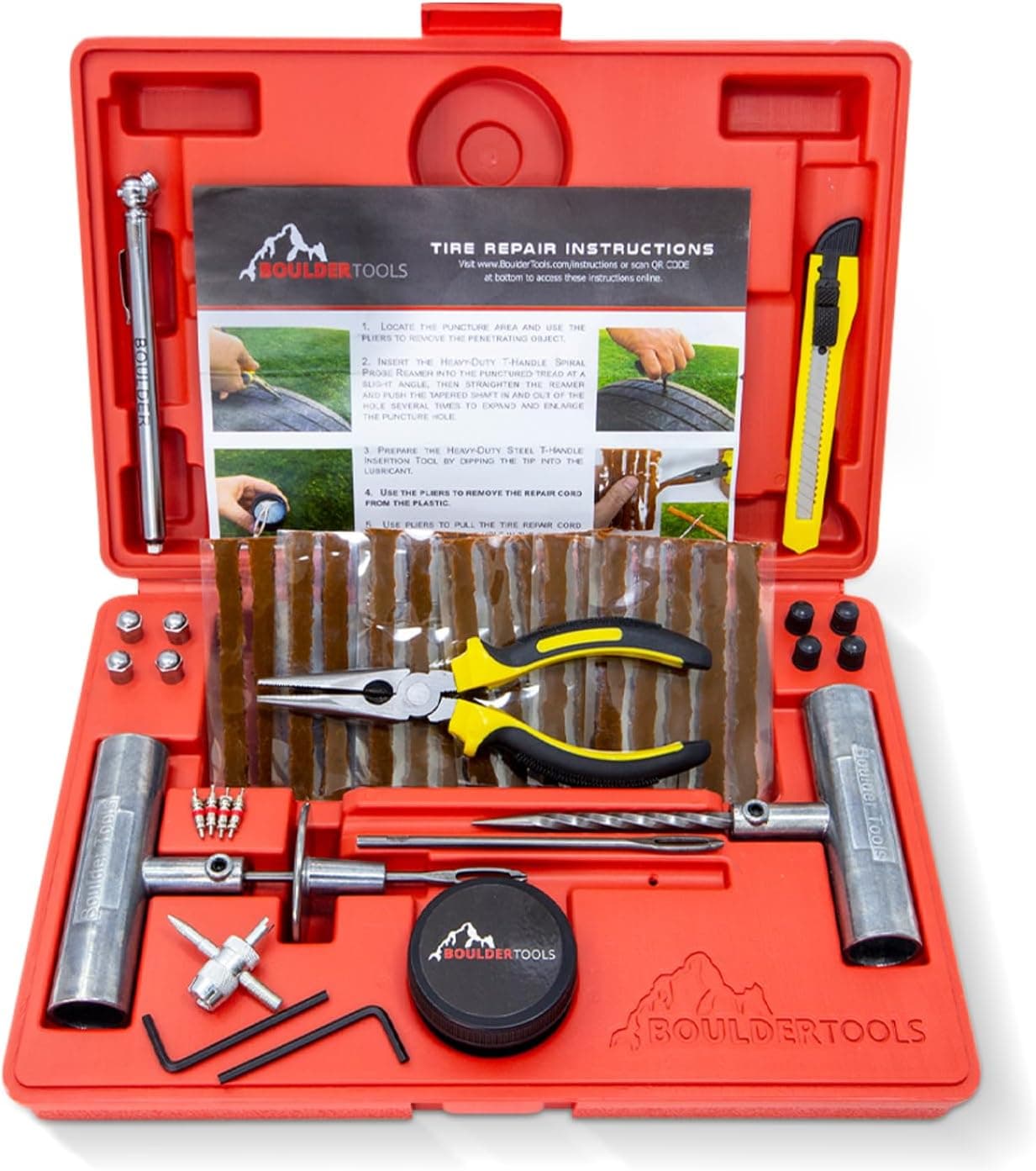
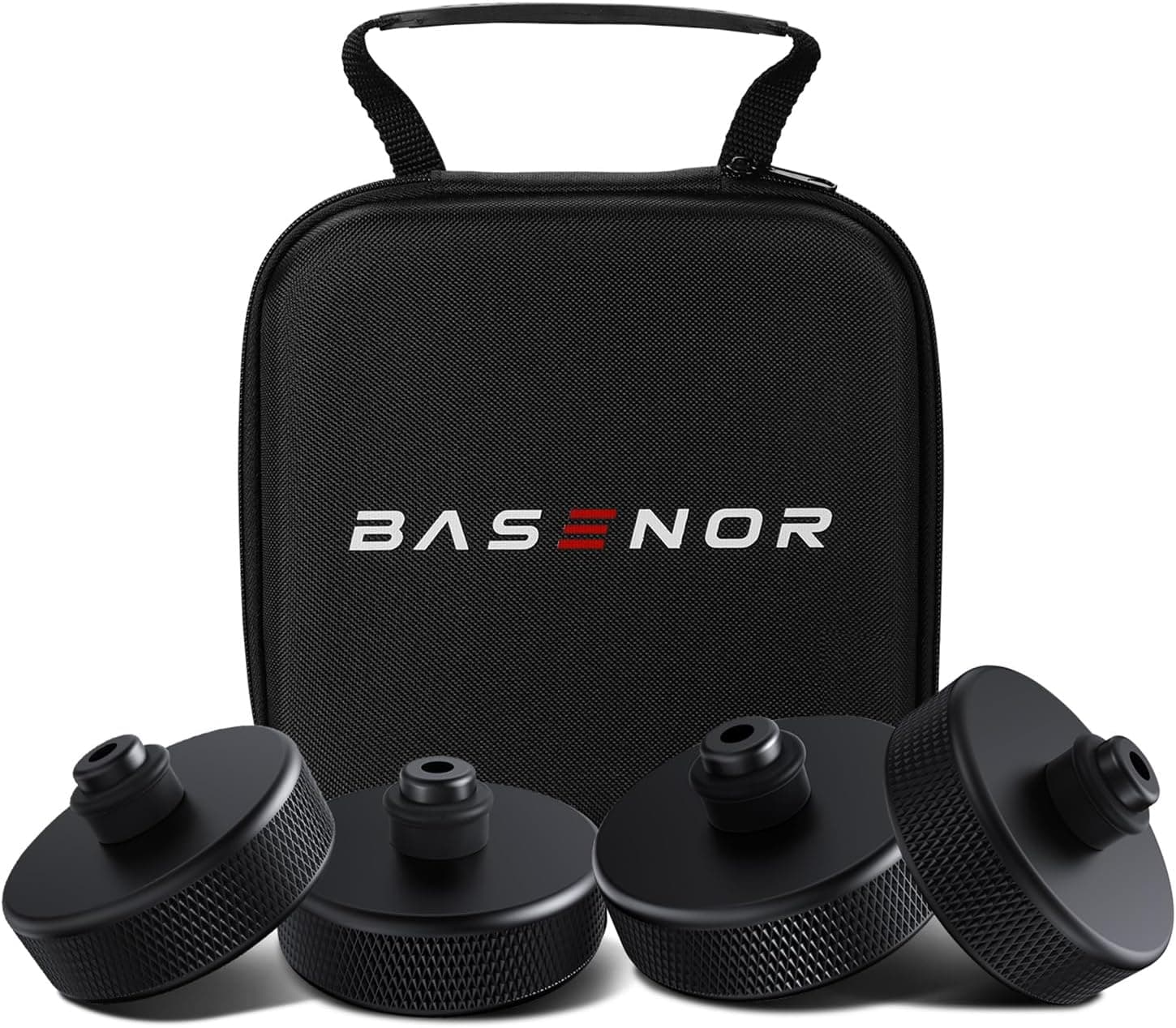
Carry tools for the failure mode you can actually solve.
Recommended next step
Build the kit before you need it.
If this hub answered the coverage question, the next conversion path is practical gear: compressor for low pressure, plug kit for repairable tread punctures, jack pads for safe lifting, and a compact spare only if your driving pattern justifies the cargo-space tradeoff.
Applies-to model matrix
Model 3
Mostly yes — flat-tire mobility, tire wear checks, and roadside layering are similar.
Model Y
Yes — strongest coverage, especially Model Y / Juniper tire and accessory context.
Model S / X
Depends — same flat-tire logic, but tire sizes, staggered setups, and service options differ.
Cybertruck
Depends — use the same coverage framework, but tire/load details are different.
Juniper note
Fitment and kit recommendations should be checked against the 2025-2026 Model Y refresh.
Verified source checklist
Use these source types before making a coverage or safety decision; the linked guides carry the deeper source context.
Tesla Roadside Assistance
Use for current transport rules, distance limits, and service-flow assumptions before authorizing a tow.
Tesla Tire Protection terms
Use for eligible road-hazard repair/replacement rules; do not treat it as towing coverage.
Tesla Owner Manual / service guidance
Use for tire pressure, rotation, tread-depth, jack/lift, and warning-light context.
What Tesla owners usually get wrong
- Assuming Tire Protection automatically solves towing or being stranded.
- Looking only at the visible outer shoulder and missing inner-edge tire wear.
- Buying a spare without understanding cargo-space, jack, and lifting tradeoffs.
- Driving on a sidewall puncture or severely underinflated tire instead of stopping.
Useful flat-tire kit checklist
Buyer path
Start with the emergency-kit guide, then decide whether a spare is worth the cargo tradeoff.
The money page is not a random accessory roundup: it maps each product to a flat-tire failure mode — inflate, plug, lift safely, or temporarily replace the wheel.
FAQ
What should I do if my Tesla gets a flat tire?
Move to a safe location, check whether the tire is repairable, decide between Tesla Roadside, insurance/AAA roadside, a plug/compressor fix for simple tread punctures, or a compact spare if you carry one, and do not drive on a damaged sidewall.
Does Tesla Tire Protection cover towing?
Treat Tire Protection as a repair/replacement cost layer, not a towing or mobility plan. Tesla Roadside, AAA, or your auto-insurance roadside coverage is the separate layer for transport, with plan-specific limits.
Should Tesla owners carry tire tools?
Most Model 3/Y owners should carry a compressor, plug kit, jack pads, gloves, pliers, and a roadside backup plan. Frequent long-distance drivers may also consider a compact spare.