Coverage decision hub
Tesla insurance, warranty, and protection plan problems
Use this hub when the confusing part is not the repair itself, but who pays, what is excluded, and whether a protection plan actually solves the owner problem.
Warranty, ESA, tire/glass plans.
Roadside, AAA, towing.
Photos, terms, deductible math.
Short answer
Coverage is not one thing. Separate cost coverage from mobility coverage.
Tesla protection products, vehicle warranty, car insurance, and roadside assistance solve different problems. The expensive mistake is buying one layer and assuming it covers every flat tire, towing, wear, glass, or service scenario.
Fresh search signal
Model Y Juniper insurance cost is a comparison problem, not one universal price.
Current searches are forming around “Tesla Model Y Juniper insurance cost.” The useful answer is to compare repair-cost risk, glass/sensor exposure, local labor, driver profile, annual mileage, deductible, and whether Tesla Insurance is available in your state. Do not trust a single Reddit number as your quote.
Ask insurers the same scenario
Same VIN/trim, mileage, address, deductible, glass rules, roadside, rental, and driver profile.
Separate premium from exposure
Juniper repair cost, glass, sensors, tires, and local body-shop labor can matter more than the Tesla badge alone.
Do not double-pay coverage
Insurance, warranty, ESA, Tire Protection, Windshield Protection, and Roadside each solve different layers.
Vehicle warranty
Defects and covered vehicle issues; not a blanket wear-and-tear plan.
ESA
Extended service coverage for eligible repairs after the basic warranty period; terms and exclusions matter.
Wheel & Tire Protection
Eligible road-hazard tire/wheel repair or replacement cost; do not assume it covers towing.
Windshield Protection
Glass-chip/crack economics depend on local roads, glass costs, insurance deductible, and claim rules.
Roadside / AAA / insurance roadside
Mobility layer: towing, transport, and getting unstuck when the vehicle cannot continue safely.
Applies-to model matrix
Model 3 / Model Y
Yes — most warranty/protection-plan logic and flat-tire coverage confusion applies.
Model S / Model X
Mostly yes — coverage layer logic applies, but costs, tires, and plan economics differ.
Cybertruck
Depends — use the same framework, but confirm current plan availability and tire/glass specifics.
Juniper note
Model Y Juniper owners should check refresh-specific fitment and tire details separately from coverage terms.
Verified source checklist
For coverage decisions, use the actual plan or policy language first, then owner interpretation second.
Tesla vehicle warranty
Use for defect coverage and exclusions; do not treat it as normal wear coverage.
Tesla ESA terms
Use for post-basic-warranty repair eligibility, deductibles, and exclusions.
Tesla Wheel & Tire / Windshield terms
Use for repair/replacement rules, not roadside mobility assumptions.
Auto-insurance policy
Use for claim, deductible, glass, and roadside benefits that may duplicate or differ from Tesla products.
Problem pages in this cluster
Use these when the question is narrower than the general protection-plan guide. Each page separates what pays the bill from what gets the car moving.
Is Tesla Wheel & Tire Protection worth it?
Road-hazard repair cost vs towing, Roadside, AAA, insurance roadside, and compact-spare planning.
Is Tesla Windshield Protection worth it?
Glass deductible math, insurance overlap, tint caveats, replacement logistics, and when to skip.
Is Tesla Extended Service Agreement worth it?
ESA vs basic warranty, battery/drive-unit warranty, normal wear, self-insurance, and timing.
Tesla warranty vs normal wear
Tires, brakes, wipers, glass, alignment, road hazards, and when documentation matters.
Start here
Tesla Protection Plans: ESA, Windshield, Wheel & Tire
Owner breakdown of what each plan is trying to cover, what it does not replace, and how to think about value.
Related problem
Flat tire insurance, roadside, repair kits, and spares
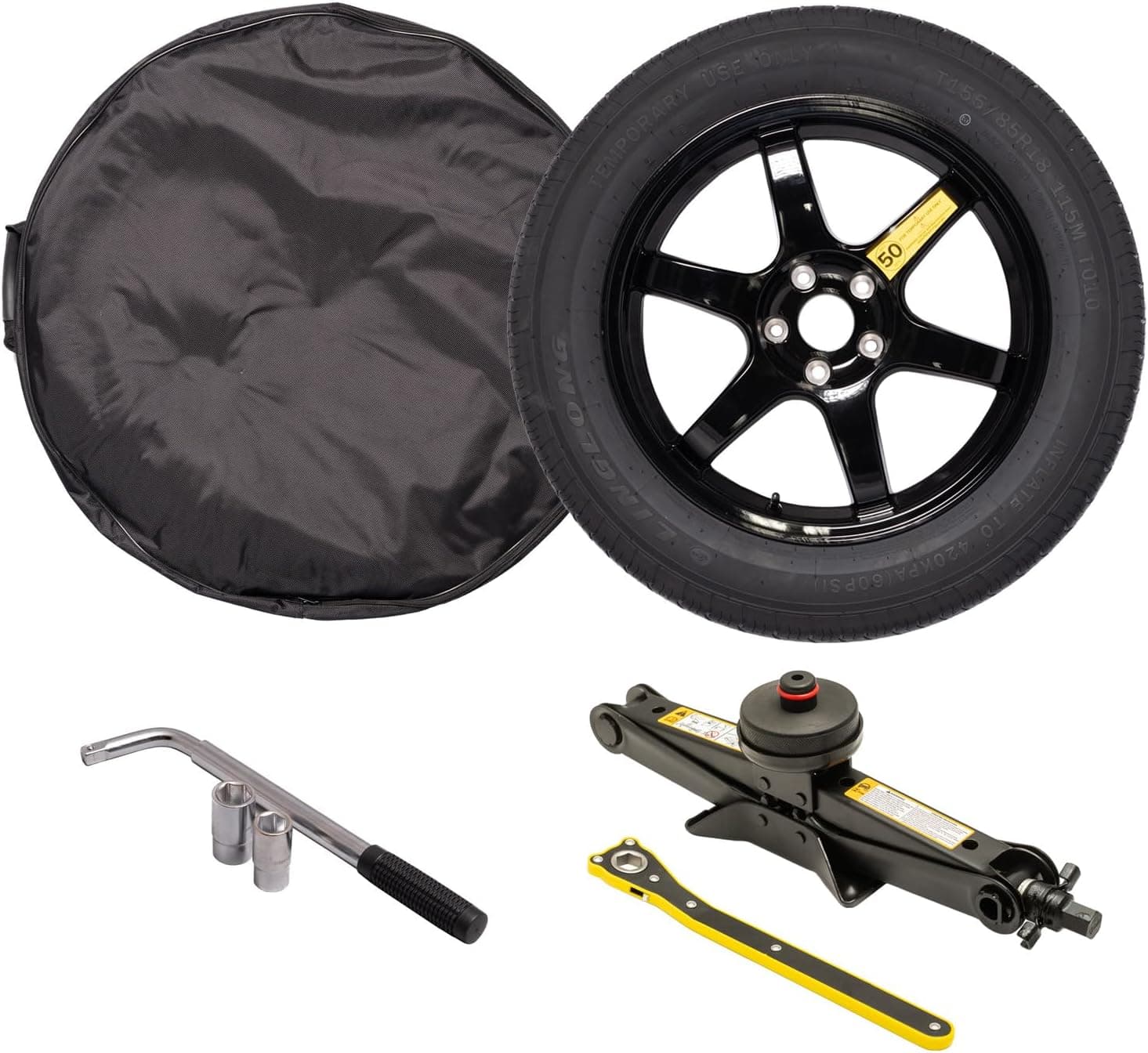
The practical flat-tire side: who to call, what tools help, and why towing is a separate owner decision.
FAQ
Does Tesla Wheel & Tire Protection replace roadside assistance?
No. Treat it as an eligible repair/replacement cost product. Roadside transport is a separate mobility problem handled by Tesla Roadside, AAA, or auto-insurance roadside coverage depending on your situation and plan terms.
Does Tesla warranty cover tire wear?
Normal tire wear is generally not a vehicle warranty issue. Owners should track tread depth, rotation intervals, alignment symptoms, and road-hazard damage separately from warranty defects.
Is Tesla protection coverage worth it?
It depends on price, deductible/claim rules, local road hazard risk, windshield risk, driving mileage, and whether you already have strong insurance or roadside coverage. The key is not double-paying for the same layer while still leaving mobility uncovered.
Why is Model Y Juniper insurance cost hard to estimate from one online number?
Insurance cost changes by driver, address, mileage, deductible, trim, glass rules, repair labor, claim history, and whether Tesla Insurance is available. Use one comparison scenario across insurers instead of copying a Reddit price.