Home charging install checklist
Tesla home charging installation checklist before you call an electrician
Tesla home charging installation checklist for panel photos, parking distance, permits, load calculation, outlet choice, Wall Connector placement, and electrician quote questions.
Updated May 2026 · Owner guidance only: have a licensed electrician verify circuits, permits, load calculations, and local code before installing or relying on high-amperage charging.
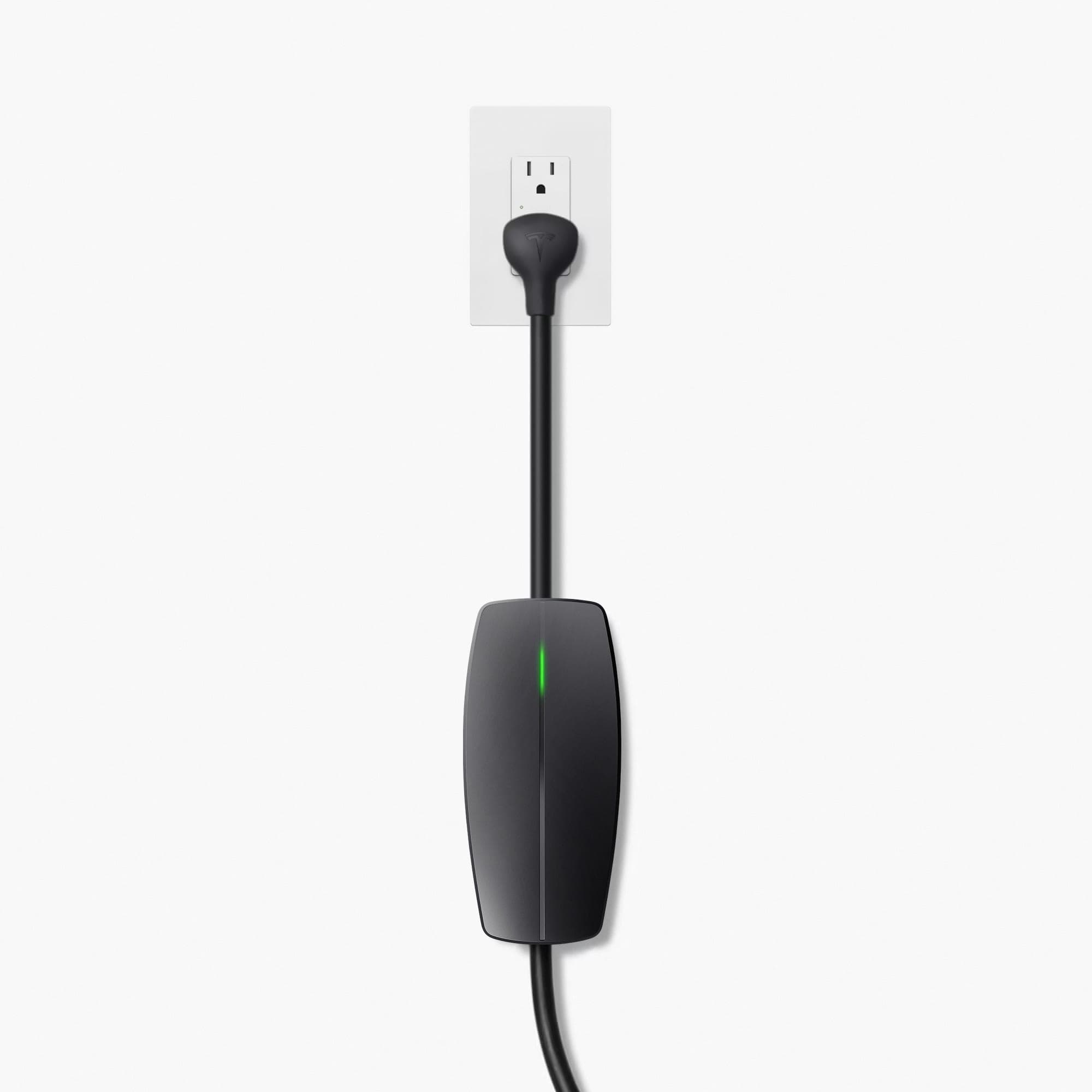
Installation pages should produce better quote inputs: panel photos, route, parking location, daily miles, permit scope, and charger/outlet choice.
Short answer
- Photos beat vague descriptions: panel, breaker labels, garage/parking spot, route, and charger location.
- Ask what is included: permit, inspection, load calculation, breaker, wire, conduit, outlet/charger, and wall repair.
- Owner guidance is not electrical advice—use a licensed electrician and local code.
Next-step checklist
Choose the right fix before buying charging hardware
1 · Decide
Match setup to routine
Daily miles, overnight hours, parking access, panel capacity, and backup needs decide the setup — not charger hype.
2 · Scope
Prepare the electrician quote
Take photos, map the wire route, ask about permits, confirm load capacity, and choose hardware only after the install path is clear.
3 · Buy / install
Buy after the real problem is clear
Once you know whether the issue is app status, outlet limits, Wi-Fi, panel capacity, or hardware, the charger and cable choices become much easier.
Applies to
| Tesla model / owner type | Applies? | Why it matters |
|---|---|---|
| Model 3 / Model Y owners | Yes | Most home-charging decisions are shared: daily miles, parking access, panel capacity, outlet quality, and overnight dwell time matter more than trim. |
| Model Y Juniper owners | Yes | Juniper does not change the basic home-charging decision; it does make day-one setup a good time to plan garage cable management and backup charging. |
| Model S / Model X owners | Mostly | The decision framework applies, but battery size, commute length, and max AC charging capability can change comfort margin. |
| Cybertruck owners | Sometimes | Use the same questions but verify vehicle-specific charging rates, circuit planning, and product compatibility before buying hardware. |
Decision factors: fit vs risk
Panel has capacity nearby
Good fit: Usually the simplest permanent charging path.
Watch out: Still verify permit, inspection, breaker/wire sizing, and charger location.
Panel capacity uncertain
Good fit: Load management or lower-amperage charging may still solve daily use.
Watch out: Do not assume a panel upgrade until a qualified electrician scopes it.
Detached garage / long run
Good fit: Worth planning if home charging is core to ownership.
Watch out: Trenching, conduit, finished walls, and distance can drive the quote.
What owners get wrong
- • Calling electricians with no panel photos, no distance estimate, and no daily-mile target.
- • Asking only for maximum amperage instead of enough overnight recovery.
- • Forgetting permits, inspection, load calculation, conduit, wall repair, or panel constraints.
- • Buying hardware before confirming the installation path.
Practical action plan
- 1. Take clear photos of the electrical panel, breaker labels, service rating if visible, garage/parking spot, and proposed route.
- 2. Write down average daily miles, worst-case weekday miles, and how many hours the car is parked overnight.
- 3. Decide whether you prefer Wall Connector, NEMA 14-50, or a lower-amperage solution, but ask the electrician what the panel supports safely.
- 4. Request itemized quotes that include permit/inspection, load calculation, breaker/wire/conduit, charger/outlet hardware, and repair work exclusions.
- 5. Do not finalize cable organizers or garage accessories until the charger position is known.
Useful next steps and buyer paths
These links are for products or guides that solve a real charging setup problem: permanent hardware, portable backup, cable storage, or new-owner planning.
Disclosure: Some links in this article are affiliate links. If you buy through them, we may earn a small commission at no extra cost to you. We only recommend products we've researched or tested; see our editorial standards.
Verified facts and sources
Official Tesla home-charging overview. Use it for hardware choices and owner-level setup framing, not as local electrical-code advice.
Official Wall Connector product source. Installation cost still depends on panel capacity, distance, permits, conduit, labor, and local code.
Official Mobile Connector product source. The outlet, adapter, circuit rating, and daily miles determine whether it is enough.
Owner-practical framing from Model Y / Juniper ownership: choose the charging setup around daily routine and backup needs, not only maximum charge speed.
Related problems
Charging and home setup hub
Start here for Wall Connector, Mobile Connector, 120V, apartment charging, cable storage, and daily routine decisions.
Wall Connector vs NEMA 14-50 guide
Side-by-side owner guide for the common home-charging setup choice.
Apartment charging options
If you do not control the parking spot, start with permission and routine instead.
Frequently Asked Questions
What should I send an electrician for a Tesla charger quote?
Send panel photos, breaker labels, parking location, route photos, desired charger position, daily mileage needs, and whether you want Wall Connector or an outlet-based setup.
Should I buy the Wall Connector before getting a quote?
Not always. It is safer to confirm panel capacity, route, permit needs, and whether Wall Connector is the right setup before buying hardware.
Do I need maximum charging speed at home?
Usually you need reliable overnight recovery, not maximum theoretical speed. Heavy drivers and shared cars may need more margin than low-mileage owners.