Last updated: September 2026 · 10 min read
A front-end clunk is a diagnosis problem, not a remote repair decision. Clear documentation and repeatable test evidence help Tesla Service distinguish a noise from tire, wheel, brake, trim, or suspension concerns.
Before booking service
Capture the noise like a service advisor will need it.
Do not start by replacing random suspension parts. First make the clunk repeatable: same road, same speed, same temperature, windows down, phone video running, and a written note on whether steering, braking, or tire wear feels abnormal.
Rule out tire hum or delivery vibration
Use this when the symptom changes with speed instead of bumps.
Check inner-edge tire wear
A safety check if noise comes with pull, vibration, or uneven tread.
Taking delivery?
Test bumps before accepting the car and document issues immediately.
Keep tire service safe
Jack pads and roadside handoff notes if the issue leads to wheel/tire inspection.
10-minute triage
Before you buy parts, decide which noise bucket you are in.
Bump-triggered clunk, speed-specific tire hum, and vibration after delivery are different service stories. Sorting that out keeps this page useful and moves owners to the right next guide.
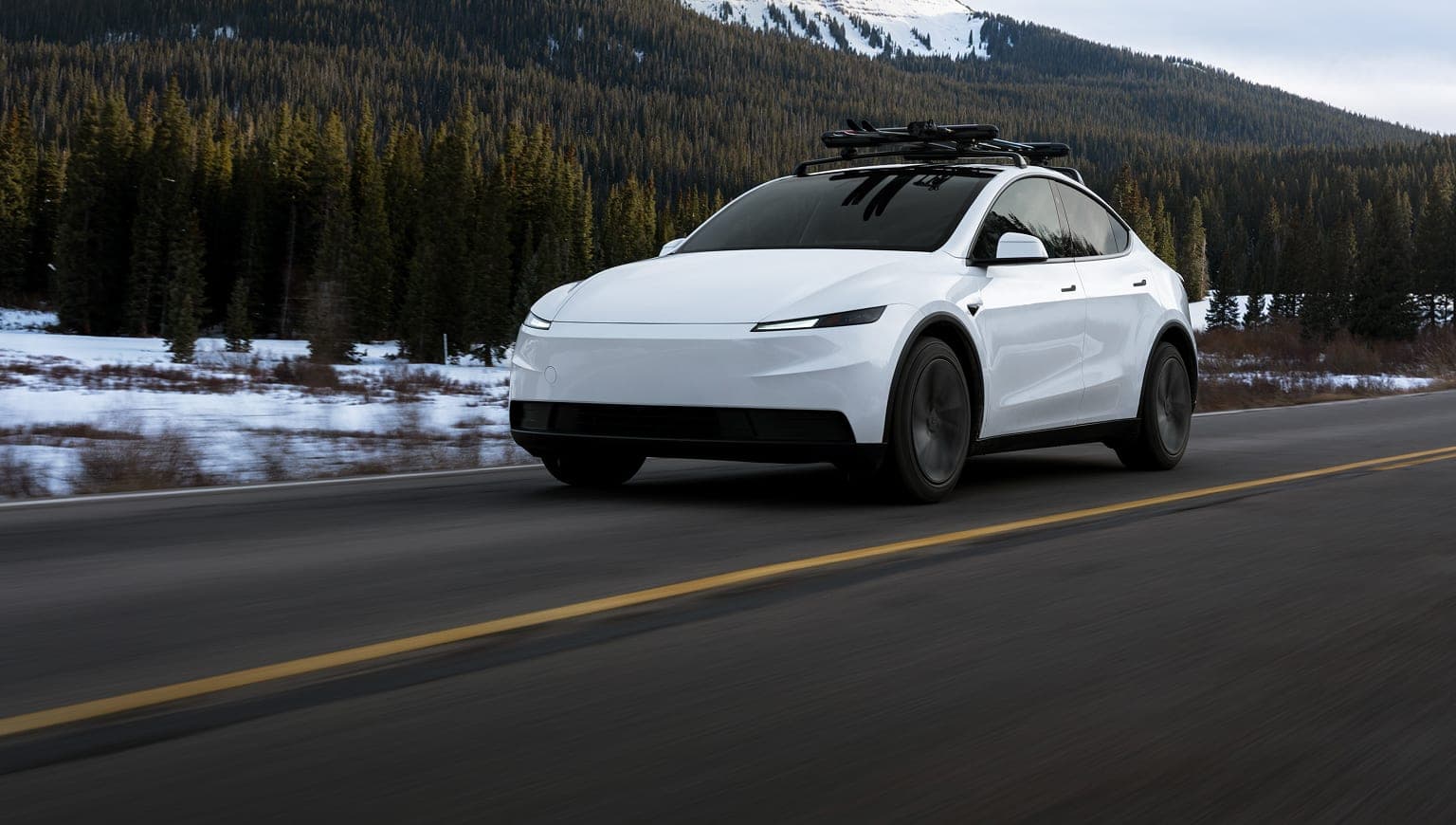
If you own a 2025 or 2026 Model Y Juniper and hear a clunking or rattling noise from the front suspension at low speeds, you're not alone.
Owner reports can help describe symptoms, but they are not a diagnosis for your vehicle. Use them to make a cleaner service report—not to select parts or assume a root cause.
What is verified
✅ A repeatable recording improves a service visit
✅ Tesla Service should diagnose the specific vehicle
⚠️ Noise alone does not establish a root cause
⚠️ Do not replace suspension parts based on forum reports
🚗 Check for pull, vibration, warnings, or uneven tire wear
📅 Escalate promptly if the symptom is new or worsening
What the Rattle Sounds Like
The sound is a distinct clunk or knocking noise from the front of the car. Owners describe it as “sounding like the car is falling apart” — it's loud enough to hear with music on and far more noticeable than anything the pre-Juniper Model Y produced.
Under 50 mph
Parking lots, residential streets
Speed bumps & potholes
Most common trigger
Uneven road surfaces
Any pavement change
Driveway transitions
The angle change causes it
Important: This is not an interior rattle. It's a suspension-level noise that reverberates through the car's body into the cabin. Completely different from the trim squeaks some older Model Ys had.

What Causes It
A noise cannot be diagnosed accurately from an article or a forum thread. These are the symptom boundaries worth documenting for Tesla Service:
🔍 What to document
Note the road surface, speed, steering angle, temperature, passenger/cargo load, and whether the sound is front/rear/left/right. Record whether it changes under braking or acceleration and whether any warning, steering pull, vibration, or uneven tire wear is present.
Those details help the technician separate tire/wheel, brake, trim, cargo, and suspension possibilities. They do not replace an inspection.
Record the sound
Check tire symptoms
Book diagnosis
Do not delay a changing symptom: A new or worsening clunk—especially with vibration, pull, warnings, braking change, or visible tire wear—deserves prompt service evaluation.
What Tesla Service Needs From You
Do not request a specific part or cite an unverified internal procedure. Give Tesla Service a reproducible symptom description and let the inspection determine the repair.
Describe the exact trigger
Include speed, surface, steering input, temperature, load, and where the sound seems to originate.
Attach a short repeatable video
Record safely with a passenger where possible; a reproducible clip is more useful than a theory about the cause.
Ask for the documented finding
Keep the repair order, inspection result, and the symptom change after any work for a clear follow-up record.
Do not treat forum outcomes as a repair forecast
Similar sounds can have different causes. There is no responsible sitewide percentage or part recommendation without a publicly verifiable Tesla bulletin and a vehicle-specific inspection.
Should You Modify Suspension First?
Wait for diagnosis.
Aftermarket suspension is not a responsible first response to an unexplained noise.
It can complicate diagnosis and warranty discussions. Have Tesla or a qualified shop identify the cause before changing components.
What to Do If Your Car Has It
If you're hearing the clunk, here's your step-by-step action plan:
1. Record the Noise
Drive slowly over a speed bump with the window down and record video. Show the noise clearly — this is your #1 piece of evidence for the service center.
2. Schedule Service
Open the Tesla app → Service → describe the repeatable noise, speed, road surface, steering input, and any vibration, pull, warning, or tire-wear symptom. Do not request a specific unverified repair.
3. Document Everything
Keep records of every service visit, what was replaced, and whether the noise changed. Dates, part numbers, technician names — all of it.
4. Follow Up After Repair
If the noise continues or changes after service, update the record with the new symptom and the repair order, then schedule a follow-up diagnosis.
5. Know Your Lemon Law Rights
Most states require 3-4 failed repair attempts for the same issue. If Tesla can't fix it, consult your state's lemon law. Document everything from step one.
Should You Still Buy a Model Y Juniper?
Thousands of prospective buyers are asking this exact question. Here's the honest take:
✅ Reasons to Buy
• Test-drive the exact vehicle before acceptance
• Document any repeatable noise before delivery
• Ask Tesla Service to diagnose any symptom you hear
• Check the applicable warranty terms
• Use tire, vibration, and warning symptoms as escalation signals
• Make the purchase decision on the exact vehicle, not forum averages
❌ Reasons to Wait
• A repeatable noise would be unacceptable to you
• Tesla cannot reproduce or diagnose the symptom
• The vehicle also has pull, vibration, warnings, or abnormal tire wear
• You cannot verify the repair plan before accepting delivery
• You prefer to wait for a quieter example
• You are not comfortable proceeding without a resolved service record
Our advice if you're buying: Do a thorough test drive before accepting delivery. Drive over speed bumps, uneven roads, and driveway transitions with the windows down. If you hear the clunk, you can reject delivery or accept knowing warranty repair is available.
Do not assume a root cause or a guaranteed repair from a public guide. The right decision is based on the condition of the specific vehicle and Tesla's documented inspection.
Taking Delivery Soon?
The suspension rattle is one thing to check — but there are 55 other items. Use these tools to make sure everything is perfect.
Related Guides
This guide is symptom and service-preparation guidance, not a diagnosis or a substitute for Tesla's inspection. Last updated September 2026.